
Est. 2009 · Oregon
Rooted in Oregon.Built to last.
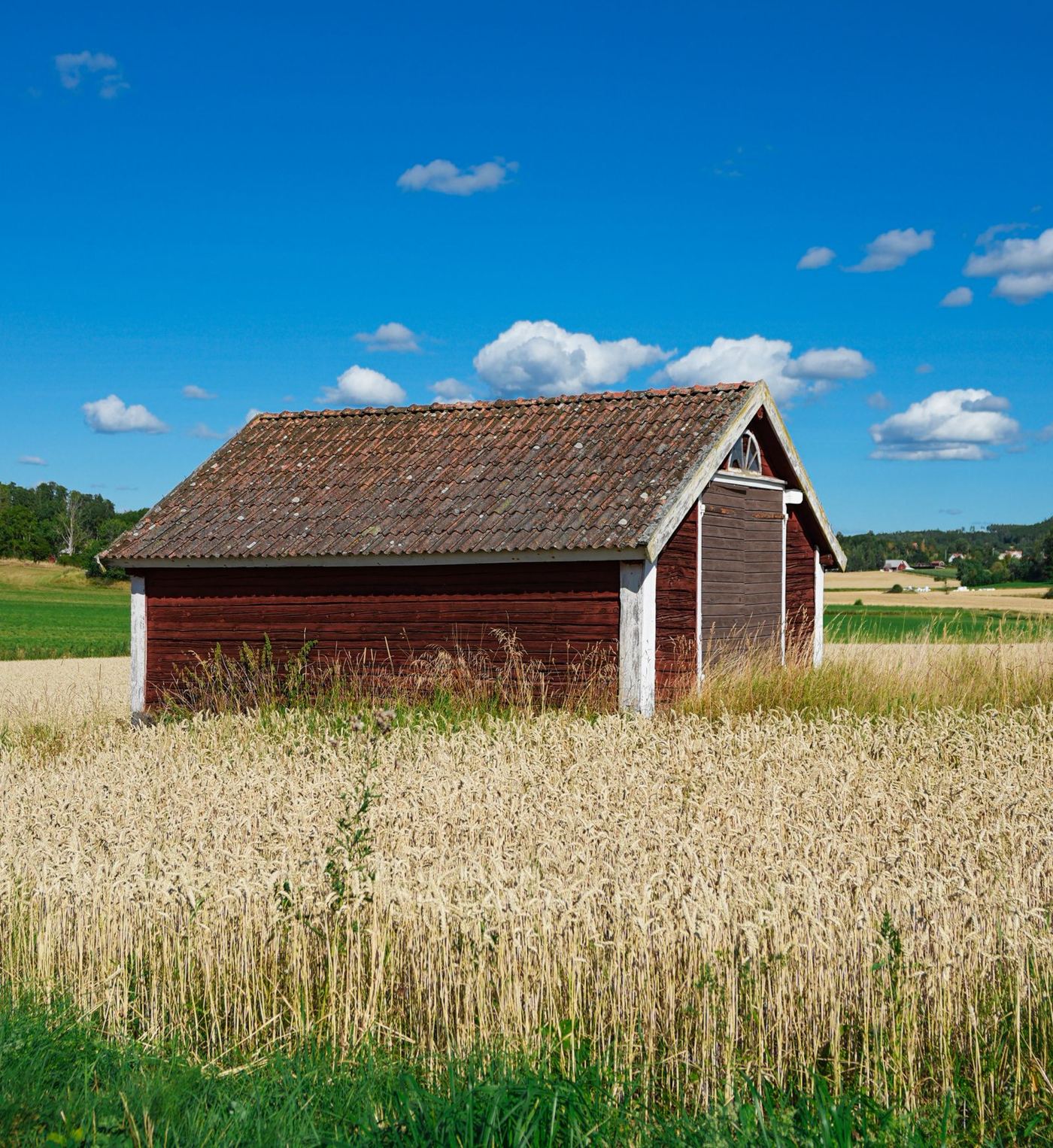
A family farm built season by season on the same Oregon ground, farmed with the next generation in mind.
- OregonHome ground
- FamilyOwned & operated
- 3Conservation practices
Est. 2009 · Oregon
About Tally Ho Farm
Tally Ho Farm began with a simple idea: farm this ground well enough that it will still be worth farming a generation from now. A few fields have grown into a working operation, and the ground, the family, and the reason we started are still at the heart of it.
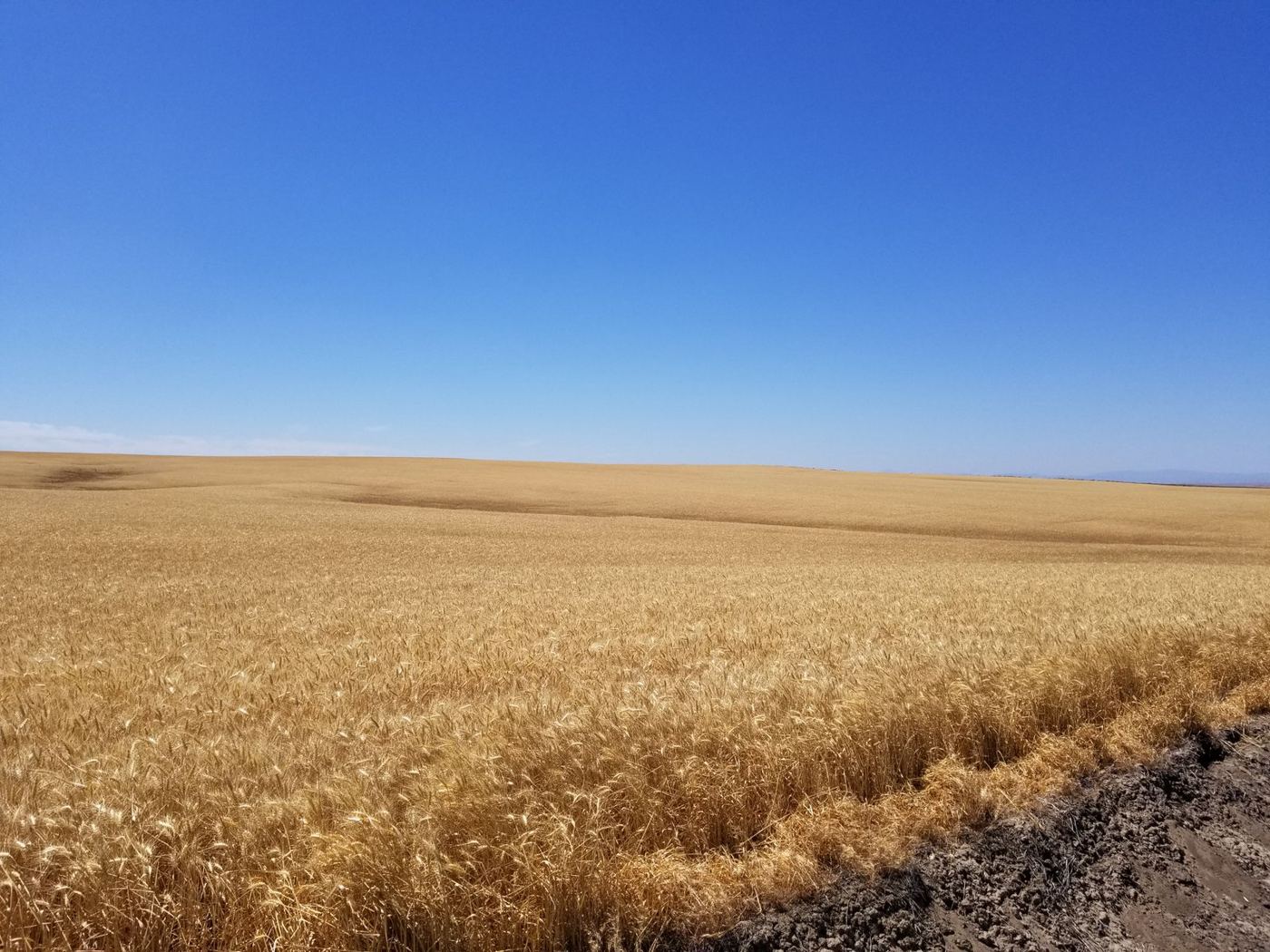
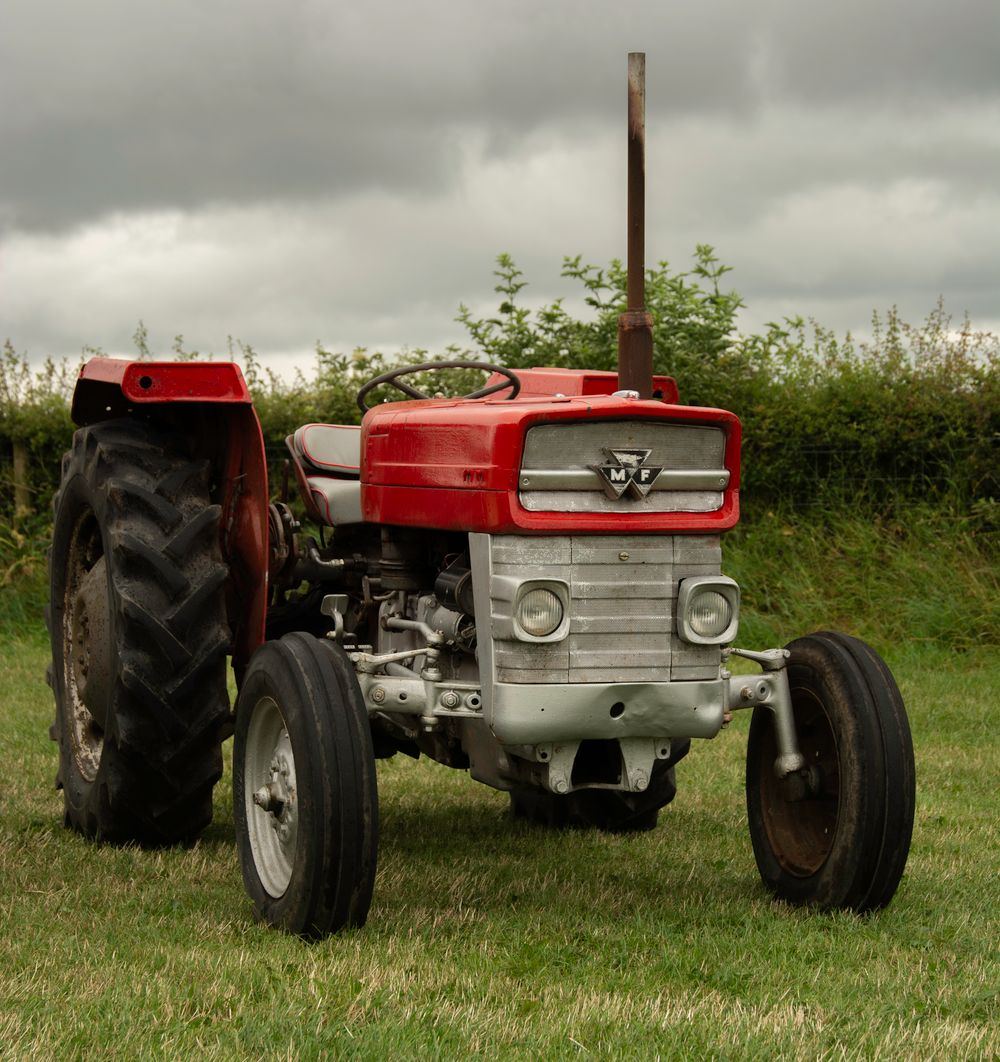
The same ground, season after season.
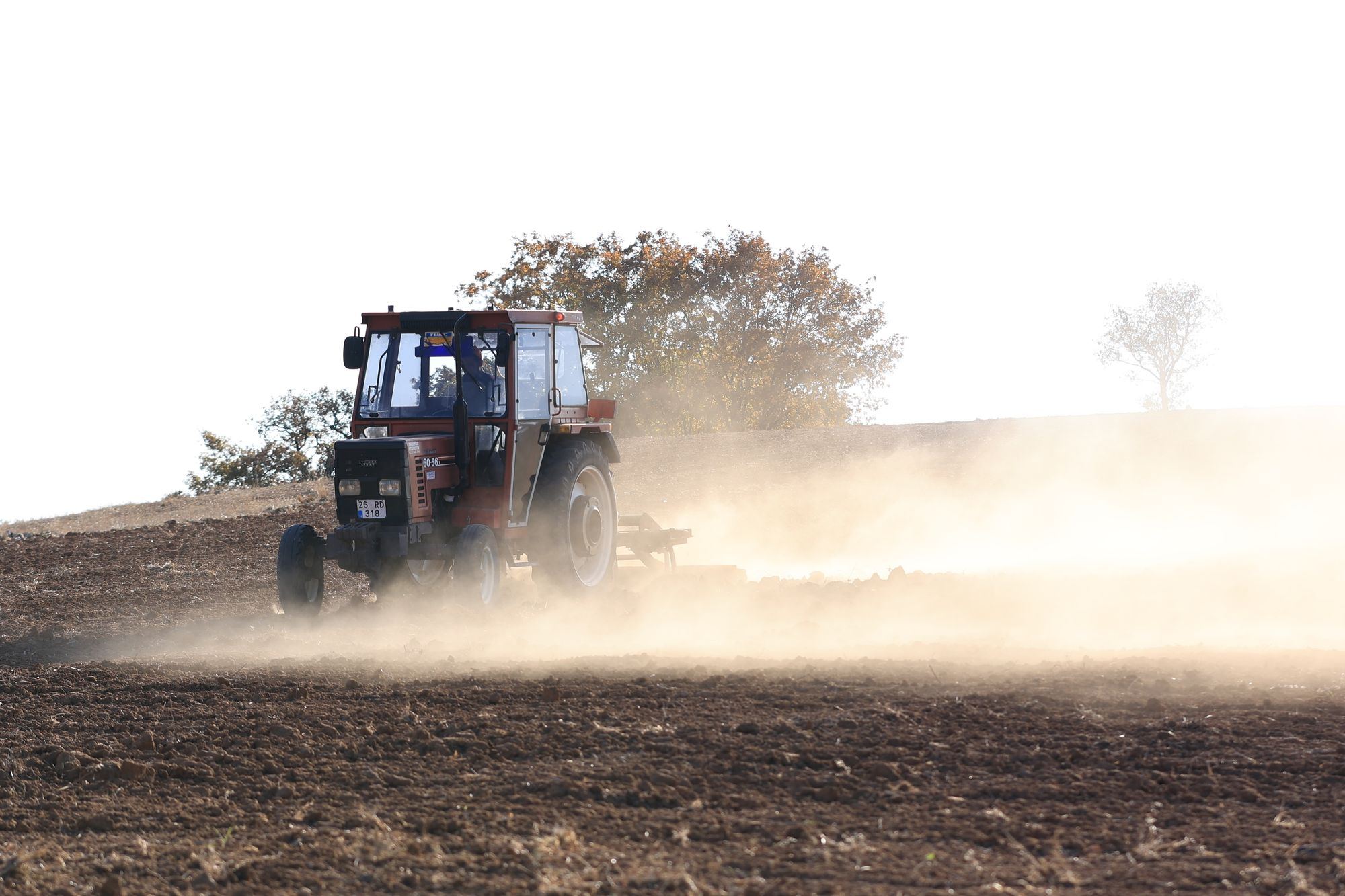
Every season adds to what we know about these fields: where the water sits, which soil needs rest, what each crop gives back. That record is the real history of the farm, and it shapes every decision we make today. We farm carefully and practically, with the next season in mind.
Our History
Tally Ho Through the Years
- Day One
The farm is founded
Tally Ho Farm puts its first crop in the ground in Oregon.
- XXXX
Milestone title
One or two sentences about a turning point for the farm.
- XXXX
Milestone title
One or two sentences about a turning point for the farm.
- Today
Still growing
The same ground, farmed with conservation practices verified through Farmer Forward.
How we farm

Cover Crop
Between cash crops, the ground stays planted. Living roots hold soil against wind and water, keep nutrients where the next crop can reach them, and add organic matter as the cover breaks down.

Nutrient Management
Each field starts with a soil test and a realistic target, and applications are matched to what the crop needs when it needs it. That keeps inputs efficient and keeps excess out of the water.

Conservation Crop Rotation
Rotating crops breaks the pest and disease pressure that builds up under a single crop, and each rotation gives back some of what the last one used, building stronger soil over time.